

Fuel Prices Are Rising Again. Is Your Business Ready for the Next Cost Shock?
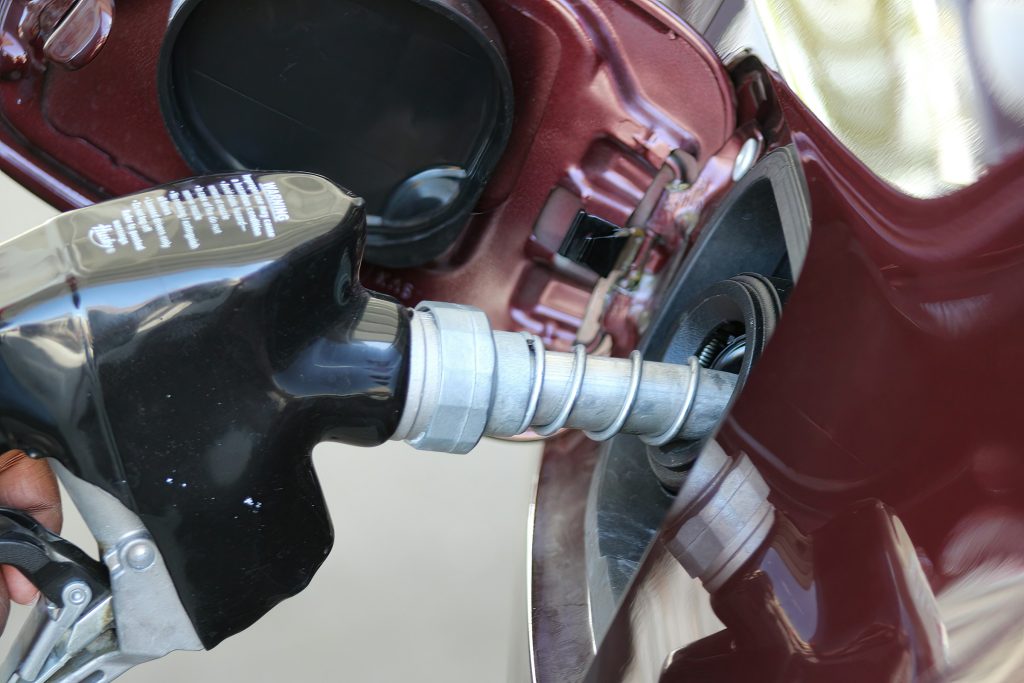
Petrol prices have risen above ₦1,400 per litre in parts of the country, following an increase in the gantry price from ₦1,265 to ₦1,350 per litre by the Dangote Petroleum Refinery amid renewed pressure in international crude markets.
Scale on Your Own Terms: Smart Funding for Women-Led Enterprises

Women-led enterprises represent one of the fastest-growing segments of Nigeria’s entrepreneurial economy, driving innovation across retail, services, agriculture, and tech-enabled ventures.
Nigeria Is Using More Foreign Currency. What Should You Be Doing Differently?

Recent reporting shows that Nigeria’s foreign-exchange utilization reached $50.9 billion in 2025, its highest level in six years and a 91% increase from the previous year. The figure reflects the scale of foreign-currency demand moving through the economy, particularly from businesses with international obligations.
Insurance Is Not Just Protection: How Businesses Can Protect Their Cash Flow

For many Nigerian businesses, insurance is often treated as an administrative requirement: something to arrange when a vehicle is purchased, a property is acquired or a contract requires evidence of cover.
More Bank Capital Does Not Automatically Mean Easier SME Finance

SME Financing in Nigeria: Why Access to Capital Still Matters. Nigeria’s stronger banking capital base could expand SME financing, but businesses must become more finance-ready to turn available capital into growth.
Understanding Debt Factoring for Nigerian Businesses

A business can have a signed contract, deliver the goods, issue an invoice and still be short of cash. This is one of the most important distinctions in business finance: revenue is not the same as liquidity. A sale may be profitable on paper, but the cash required to pay employees, replenish inventory, meet operating expenses or take on another contract may remain tied up in an unpaid invoice.