

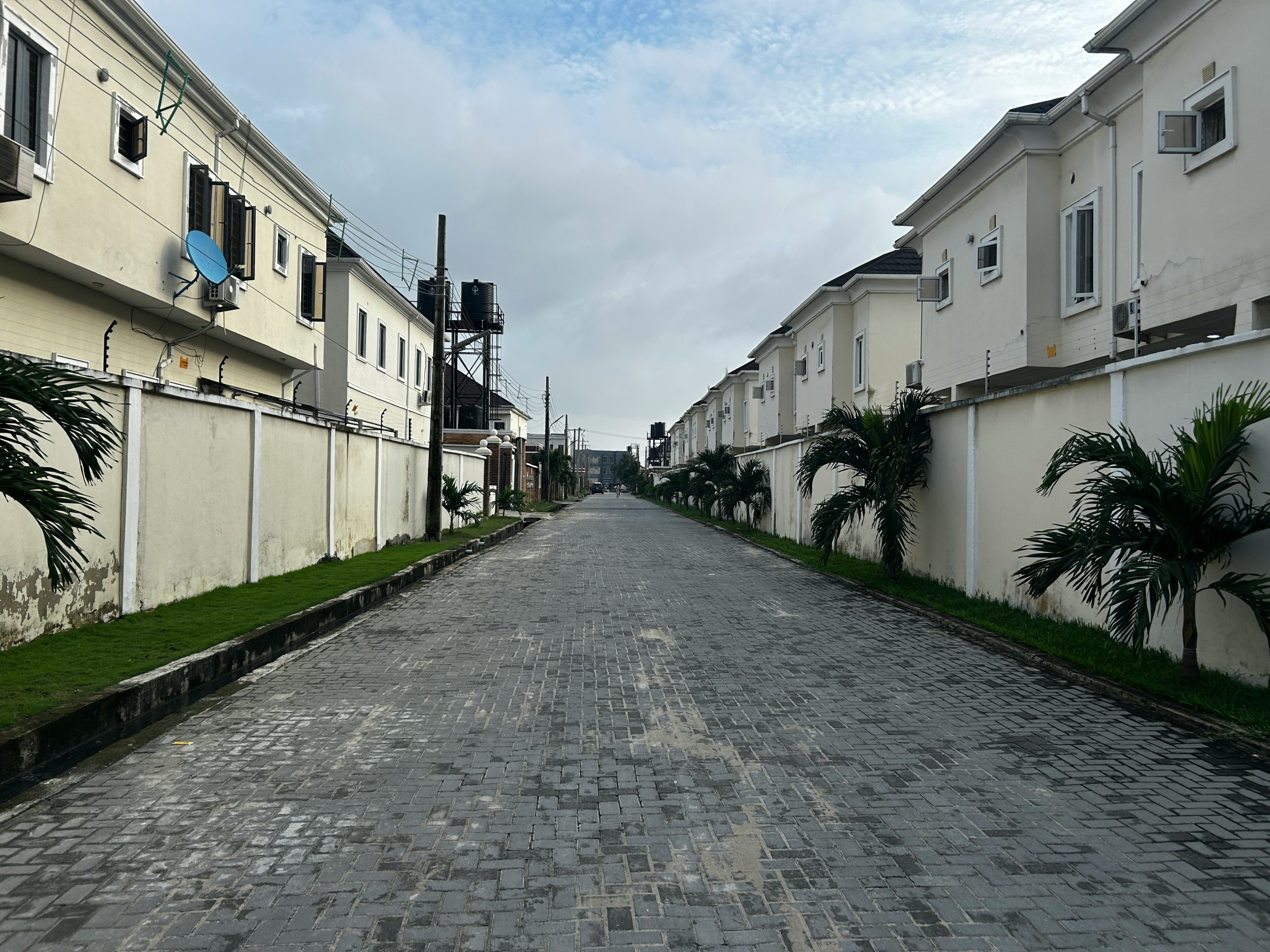
Nigeria’s real estate market presents a compelling investment question: how can investors identify opportunities that respond to genuine housing needs while remaining commercially viable? The answer requires more than identifying a housing deficit or purchasing land in an area expected to appreciate. It requires understanding the relationship between demand, purchasing power, development costs, rental income and the conditions that determine whether a property can deliver its intended financial outcome.
On 18 October 2026, the Permanent Secretary of the Lagos State Ministry of Housing identified affordable housing, rental properties, ethical financing and public-private partnerships as potential investment avenues for addressing the state’s housing challenge. He also emphasised the importance of productive investment over speculative property holding. The remarks offer a useful starting point for examining how investors should evaluate real estate opportunities.
Housing Demand Is Not the Same as Investment Demand
A significant housing shortage does not automatically make every residential property a sound investment. People may need homes without having the income, financing or willingness to purchase a particular property at its asking price. This distinction matters because an investment must perform within the realities of its intended market, not simply within the scale of the wider housing problem.
Investors should therefore examine who a development is designed to serve, what those prospective occupants can realistically afford, and whether the proposed location supports their daily needs. A development targeting salaried households, for instance, must be assessed differently from one intended for high-income buyers or short-let accommodation. Each market has different purchasing patterns, occupancy considerations and financial risks.
The critical question is not merely whether demand exists, but whether the proposed property can satisfy that demand at a commercially sustainable price.
Evaluate the Investment Model Before the Property
Real estate investments can pursue different objectives. A rental property may be intended to generate recurring income, while a property acquired for resale may depend on future demand and price appreciation. Land held for future development presents another set of considerations, including the cost of holding it and the time required before it becomes commercially productive.
These objectives should be defined before acquisition. For a rental property, investors need to estimate realistic rental income, likely vacancy periods, maintenance expenses, management costs, taxes and other applicable charges. The resulting net operating income offers a more meaningful basis for comparison than gross rent alone. Where appropriate, investors can compare this income with the total acquisition and improvement cost to estimate the property’s yield.
For land or property acquired primarily for appreciation, the analysis should consider the evidence supporting future demand, competing supply, infrastructure prospects and the likely period before a sale can be achieved. Expected appreciation should remain a projection, not a guaranteed outcome.
Location Must Be Tested Against Practical Demand
Location is not valuable simply because an area is popular or associated with future development. Its investment relevance depends on how effectively it connects the property to the people, businesses and services that create demand.
Road access, transport connections, electricity, water, drainage, security and proximity to employment or essential services can influence a property’s attractiveness and ongoing costs. Investors should distinguish between infrastructure that already exists and projects that have merely been announced or proposed. They should also establish who will finance, deliver and maintain essential infrastructure within a development.
A location with a lower entry price may offer an attractive opportunity, but only if its access, infrastructure requirements, target market and development timeline support the investment objective. Otherwise, a seemingly inexpensive acquisition may carry substantial additional costs or remain difficult to rent or sell.
Development Costs and Due Diligence Determine the Real Exposure
For development-led investments, the acquisition price is only one part of the financial commitment. Construction, professional fees, approvals, infrastructure, financing, contingencies and ongoing project management can materially affect the final cost. Changes in material prices, delays and funding constraints may further alter the economics of a project.
Investors should therefore assess the full development budget, the assumptions behind projected sales or rental income, and the amount of additional capital that may be required if delivery takes longer than expected. A project that appears profitable under optimistic assumptions may be much less attractive when costs rise or sales take longer to materialise.
Legal and technical due diligence are equally important. Investors should verify title and ownership, applicable approvals, contractual obligations, development status and any restrictions affecting the intended use of the property. For off-plan transactions, the developer’s delivery capacity, construction progress, payment structure and contractual protections deserve particular scrutiny.
The Role of Professional Real Estate Development
The quality of a real estate investment depends partly on the discipline applied to identifying, planning and delivering the underlying property. This is where professional development and market understanding become relevant.
4Stone Homes and Realty Development Limited, a subsidiary of 4Stone Capital, operates in Nigeria’s real estate space, with a stated focus on residential and commercial property solutions and community development. Its place within the group’s portfolio provides a relevant context for examining the role of organised real estate development in responding to housing needs.
For investors assessing any developer or development opportunity, however, the company name alone should not substitute for evidence. The investment case should be supported by verifiable information about the specific project, its legal status, development plan, target market, funding requirements and commercial assumptions.
Ultimately, identifying a real estate opportunity requires more than observing unmet demand. Investors must establish whether a particular property can meet a defined need, whether its costs and risks are understood, and whether its expected performance aligns with their financial objectives. In a market with substantial housing needs, disciplined evaluation is what helps distinguish a promising proposition from an investment that merely appears attractive.
Recent Articles