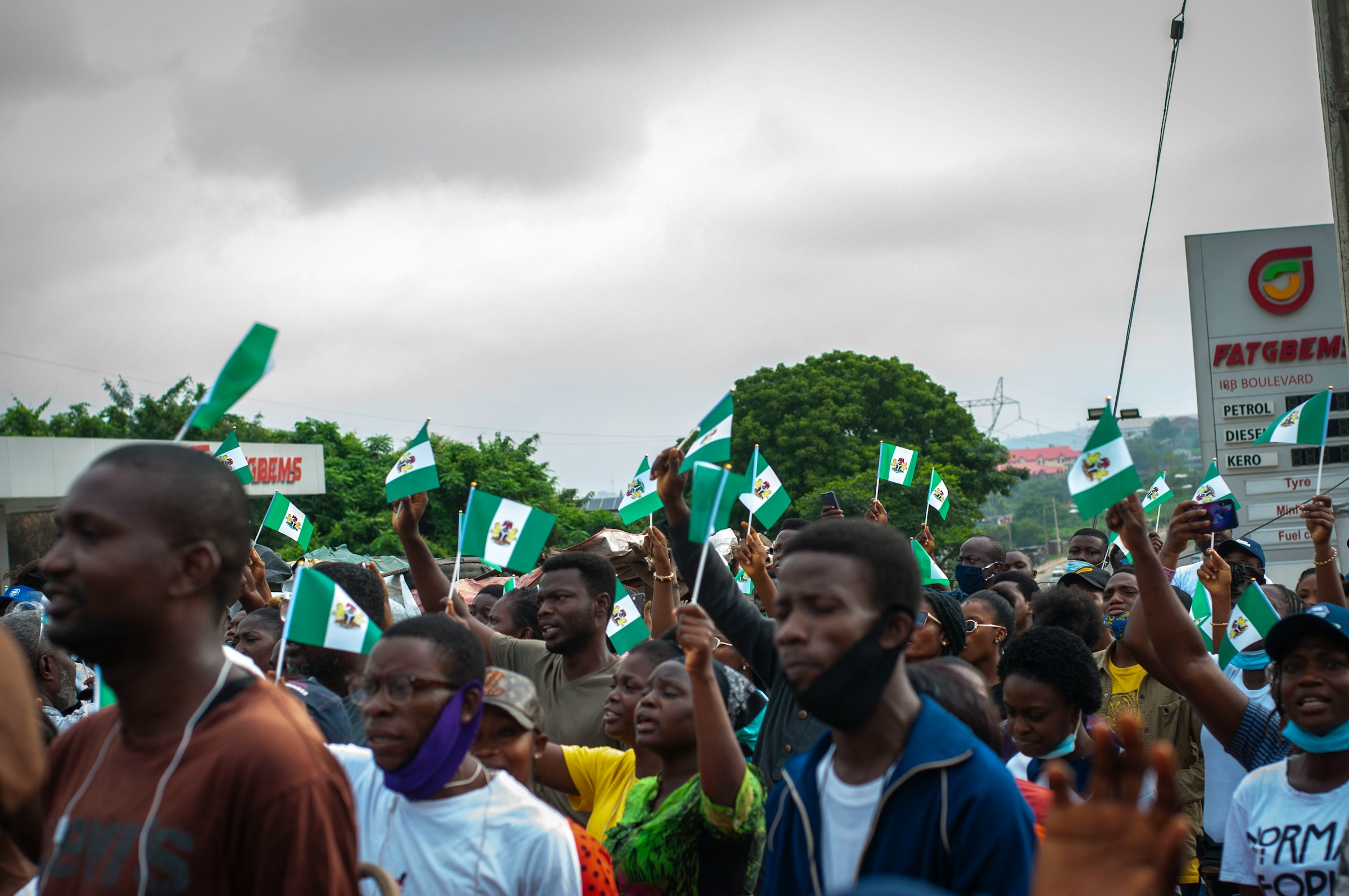
Happy Independence Day.
Today, in 1960, Nigeria became an independent nation. Sixty-six years later, the country’s economic journey tells a story of ambition, expansion, disruption, reform and adaptation. It is also a story about money: how Nigeria has earned it, managed it, financed growth with it and, at different points, had to rethink how it should be used.
From Independence to an Oil-Driven Economy
At independence, Nigeria entered nationhood with an economy very different from the one it has today. Agriculture and commodity exports were important sources of economic activity and foreign exchange. The discovery and expansion of crude-oil production would progressively change that structure.
The oil boom of the 1970s dramatically increased government revenues and foreign-exchange earnings. Between 1973 and 1980, the economy experienced the powerful effects of higher oil revenues, but the period also contributed to greater import dependence. When oil prices weakened in the early 1980s, the vulnerabilities of that dependence became increasingly visible.
The Naira and the Changing Value of Money
One important milestone in Nigeria’s financial history came in 1973, when the country adopted the naira and kobo as its national currency, replacing the pounds, shillings and pence inherited from the colonial monetary system. The change represented more than a new set of banknotes; it reflected the development of a monetary system under an independent Nigerian state. But the decades that followed demonstrated something every individual and business eventually learns: money does not operate in a vacuum. Its purchasing power, availability and cost can change as the wider economy changes.
The 1986 Turning Point
The collapse in international oil prices and the resulting economic pressures led Nigeria to adopt the Structural Adjustment Programme in July 1986. The programme sought, among other objectives, to reduce distortions, lessen dependence on crude-oil exports, strengthen non-oil exports and increase the role of market forces. It also introduced significant changes to foreign-exchange and financial-market arrangements.
The financial sector itself continued to evolve. In 2004, the Central Bank introduced a banking consolidation programme that required banks to raise their minimum capital base to ₦25 billion by December 2005. By the end of the exercise, 25 consolidated banking groups had emerged from the 89 banks that existed at the end of 2004.
Measuring a Different Nigeria
Another major milestone came in 2014, when the National Bureau of Statistics completed the rebasing and re-benchmarking of Nigeria’s national accounts. The base year for GDP calculations was changed from 1990 to 2010, resulting in a substantial revision of the measured size and structure of the economy.
The lesson was important: an economy can change even when the way we measure it has not kept pace. New industries, services, businesses and patterns of consumption can alter the economic landscape, requiring the financial system and the people within it to adapt.
From Recession to Another Era of Reform
Nigeria has also experienced periods when economic shocks reached directly into household and business finances. The 2016 recession followed the oil-price shock of 2014–2016, while the COVID-19 crisis pushed real GDP down by 1.92% in 2020 before growth resumed in 2021.
Since 2023, major reforms involving fuel pricing and the foreign-exchange market have again changed the economic environment. By 2026, the World Bank reported stronger macroeconomic conditions, including 4.2% real GDP growth in the first half of the year, while also noting that household incomes had not fully recovered and that poverty remained high.
The Financial Lesson in 66 Years
Across all these milestones, one reality stands out: economic conditions change, but financial decisions cannot be postponed until conditions become perfect.
Individuals still need to save. Businesses still need working capital. Families still need to plan. People still have financial goals that may take months or years to achieve.
That is part of the reason 4Stone Capital exists. The company describes its role as helping to bridge the lending gap for individuals and businesses while closing aspects of the financial-inclusion gap through innovative capital and advisory support. Its stated mission is to provide smart, personalised and efficient financial services that enable clients to make better financial decisions.
Building Financial Capacity for the Nigeria Ahead
One practical expression of that philosophy is KlikSave, 4Stone Capital’s digital savings platform. KlikSave allows individuals and SMEs to save any amount daily, weekly or monthly while earning interest on their savings. More significantly, customers who save 50% towards a desired asset can become eligible for 4Stone Capital financing, subject to the applicable terms and conditions.
That creates a useful connection between Nigeria’s economic past and its financial future. A country can experience oil booms, recessions, reforms, inflation, technological change and new financial systems. Individuals cannot control all of those forces. What they can build, however, is greater financial capacity to navigate them.
After 66 years of economic change, perhaps one of the most enduring lessons is simple: financial resilience begins with preparation. As Nigeria marks another Independence Day, the celebration is not only about looking back at where the country has been. It is also an opportunity to think about the financial habits, institutions and decisions that can help shape where Nigerians go next.
Recent Articles